

Your information source for all things fencing, siding, and roofing -- and more.


-


Bring the West Coast Look Home: Cedar and Metal Fence Ideas
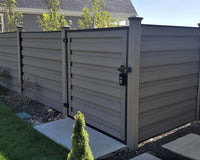
Bring West Coast warmth to your yard with cedar and metal fencing. Compare black, silver and grey steel, then coordinate the panel profile, gate, planting and cedar finish with your home.
-


How to Winter-Proof Your Fence and Gate in Canada
Frost heave, ice load, and freeze-thaw punish Canadian fences and gates every winter. Here's the complete fall checklist to winterize your fence line and keep your gate swinging all season long.
-


Fall Fence Installation in Canada: Beat the Freeze
Every Canadian fence project races one hard deadline: the day the ground freezes. Set your posts before then and your fence stands straight for decades; miss it and you're waiting until spring. Here's how to beat the freeze this fall, how late is too late, why fall is actually a great time to build, and why a metal kit goes up fastest before the cold sets in.
-


Industrial Chic Fencing: A Guide to Unframed Corrugated Metal Sheets
Unframed corrugated metal sheets deliver the industrial chic look, exposed corrugation, visible fasteners, deliberate rawness, but only if the panel quality holds up with nothing to hide behind. Here's how to nail the aesthetic: specs, design tips, real 2026 costs, and installation.
-


The Case for a Black Metal and Cedar Fence
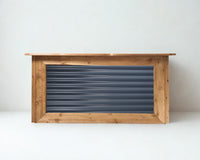
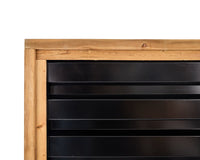
Black corrugated metal framed in western red cedar has become one of the most requested fence looks in Canada, and it's not just about style. Here's why the pairing works: the design contrast that makes it pop, and the durability, a non-combustible steel core plus naturally rot-resistant cedar, that makes it last.
-


Hog Wire vs. Stainless Deck Railing: The Canadian Cost Case
Searching "stainless steel deck railing near me"? Before you pay stainless prices, see how 6-gauge galvanized hog wire railing delivers the same open, modern look for a fraction of the cost, plus when true 316 marine-grade is actually worth it for Canadian decks.
-


What Is the Best Weather Proof Fence? A Canadian Guide to Fencing That Lasts
Canadian weather doesn't pick favourites. Your fence gets the same freeze-thaw cycles, UV bombardment, wind-driven rain, and heavy snow loads whether you're in the Fraser Valley or northern Ontario. So when you search "what is the best weather proof fence," you're really asking which material won't fall apart after five Canadian winters. Here's the honest answer, backed by real specs, real costs, and a comparison table you can actually use.
-


Corten Steel Fence Near Me: The Canadian Buyer's Guide
You searched "corten steel fence near me" because you want that rusted, industrial-modern look that turns a boring property line into a design statement. Before you commit thousands of dollars and months of lead time, here is the full picture: what corten actually costs in Canada, how it performs over decades, and whether a smarter alternative delivers the same aesthetic for less money and far less hassle.
-


Corrugated Metal Fence and Hog Wire Fence Materials Cost in Canada
Whether you are pricing out a corrugated metal fence, a hog wire fence, or some combination of both, this guide breaks down every material cost line item in Canadian dollars so you can budget with confidence and avoid the markup traps that eat into your project fund. Real per-linear-metre numbers, hidden cost breakdowns, and the quality specs that determine whether your fence lasts 8 years or 40.
-


Hog Wire Fence Cost in Canada: Materials, Styles, and What You'll Actually Pay Per Linear Metre
No vague "it depends" hedging. Real per-linear-metre costs, style comparisons, wire quality specs, and the hidden line items that inflate most Canadian hog wire fence projects by 20 to 40 percent. From agricultural T-post installs at the low end to framed residential panels with 6-gauge dip-coated wire at the high end, here is exactly where your money goes.
-


What Is the Cheapest Metal Siding Panel in Canada? Real 2026 Costs Compared
The cheapest metal siding panels in Canada start around $2.00 to $3.50 per square foot for 29-gauge corrugated galvanized. But cheapest upfront almost never means cheapest over 10, 20, or 40 years. Thin panels dent, rust, and need replacing sooner. Here is the honest 2026 breakdown by panel type, real lifespan, and cost per year of service life so you can make an informed decision rather than just a cheap one.
-


What Is the Difference Between Cattle Panels and Cattle Fencing in 2026?
People use cattle panels and cattle fencing interchangeably all the time. They are not the same thing. One is a specific product. The other is an entire category. Mixing them up can cost you thousands in the wrong materials and fence failures. Here is the complete 2026 guide to the difference, when to use which, and why wire gauge is the single biggest quality differentiator most buyers overlook.


Let customers speak for us
5 star service and craft.

Amazing product and super easy to install. Everything came exactly as advertised and when I reached out for help with a question they were extremely helpful and went out of their way to find the answer. Thank you so much!
Excellent product, prompt and courteous delivery
Love our fence! It provides the privacy and safety barrier we needed and it looks good too! Bowe, who installed the panels was so friendly and flexible in scheduling the work and he was fast!

Very nice to deal with.

Great product at a competitive price

Excellent product & communication, delivery on time. Very professional service. Happy customer!
I am completely happy with the brown hog wire fence panels. They are well constructed, look great and provide a great combination of see-through-ability and critter barrier. I was very impressed by the way they were packaged to prevent damage during shipping.

Very happy with the product, price, & delivery. Lauren was great to work with.

★★★★★
Great experience with BarrierBoss! Excellent quality, great service, and the team was easy to deal with. Highly recommend!
Great service, reliable and we love our new fence
Great service, reliable and we love our new fence

The panels are tough Like!!!
I especially appreciated the protective sheets provided to ensure that the sheets I purchased weren't scratched or damaged during loading and transport
We purchased the wire fence panels with a custom size. The product exceeded our expectations and was very solid and looked amazing. The customer service from this company is outstanding. From the person taking the order to the yard crew to the delivery guys. We would not hesitate to buy again and have recommended them to our friends. We get so many compliments.